
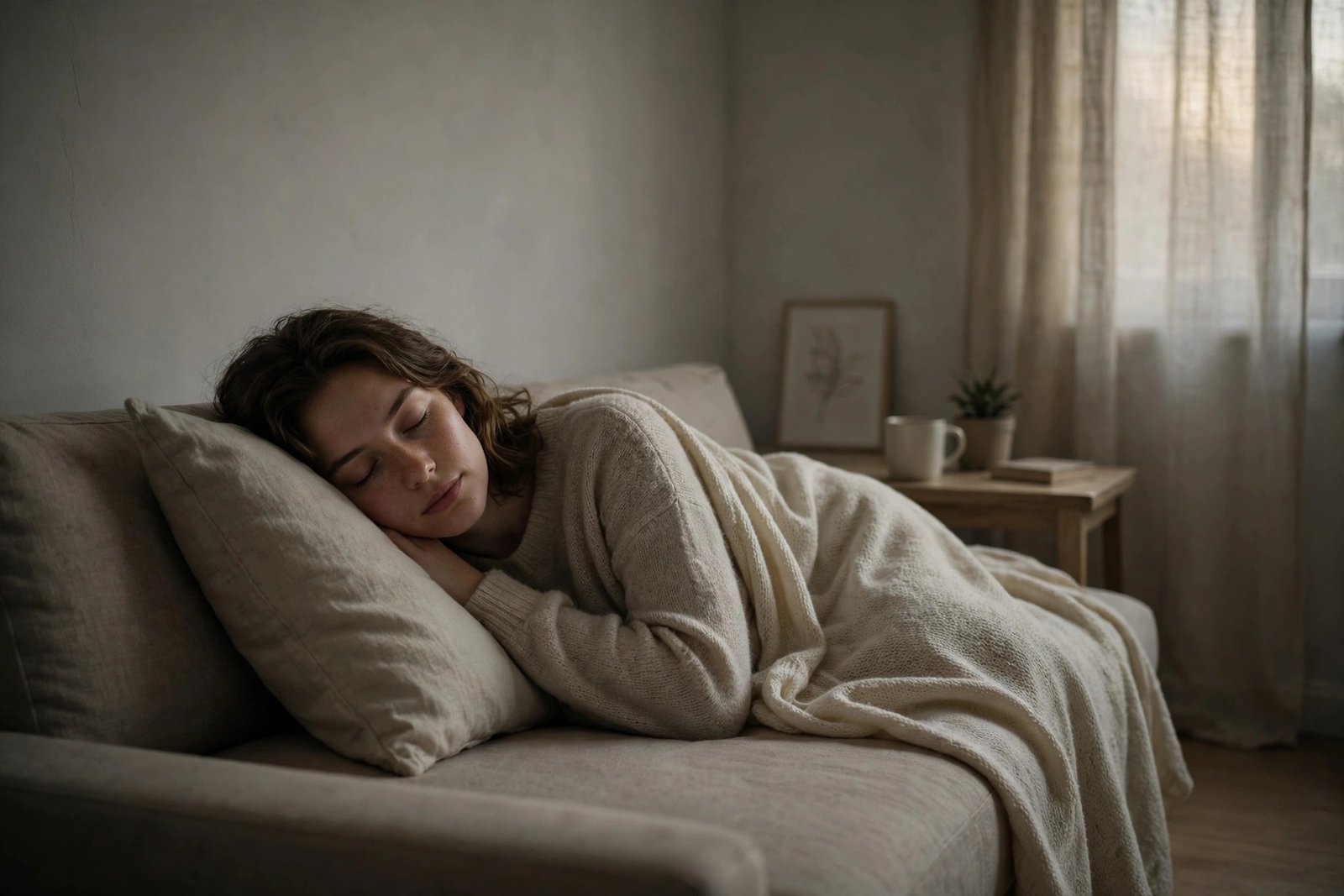
The Art of Napping: How a Short Daytime Nap Can Refresh Mind and Body
A nap has a reputation problem. For some people it sounds lazy, for others it sounds like a luxury, and for many busy adults it feels like something there is simply no time for. Yet a short, well-timed daytime rest can be one of the simplest ways to feel clearer, calmer and more able to enjoy the rest of the day. The art of napping is not about sleeping for hours in the middle of the day. It is about giving the body and mind a brief, deliberate pause, and then returning to normal life feeling refreshed rather than groggy.
This guide explains why short naps help, what a good nap looks like in general terms, how to create the right conditions for rest, and how daytime sleep fits alongside a healthy night-time routine. It also looks at the important difference between a nap that supports you and a nap that may be covering up poor night sleep, and who should be a little more cautious about daytime napping.
General information disclaimer: This article is for general information only and is not medical advice. If you regularly struggle to fall asleep at night, wake feeling unrefreshed, feel excessively sleepy during the day, snore loudly, or notice new or worrying changes in your sleep, speak to a qualified health professional. Do not use napping to ignore a persistent sleep problem.
Why We Feel Sleepy in the Afternoon
Most people notice a dip in energy at some point in the afternoon, even after a reasonable night of sleep. This is a normal part of the daily rhythm of alertness, which tends to rise in the morning, dip in the early afternoon, and rise again before falling towards bedtime. It is not a personal failing, and it does not necessarily mean you have done something wrong with your sleep, your food or your work routine.
Several everyday factors can make that dip feel stronger. A heavy meal, a warm room, a long stretch of sitting, bright screen use without breaks, or a night of lighter or broken sleep can all leave you feeling drowsy. Stress and mental fatigue also play a part. After hours of concentrating, making decisions or dealing with demands, the mind naturally seeks a pause, and the body often signals that need through yawning, heavy eyes and a wandering attention.
A short nap works with that natural dip rather than fighting it. Instead of pushing through with more caffeine, more screen time or more effort, a brief rest allows the nervous system to settle, the muscles to relax and the mind to step away from constant stimulation. Many people find they return to work, study or family life with better patience, clearer thinking and a steadier mood after even a short rest.
What a Good Nap Can Do
A good nap is not meant to replace night sleep, and it is not a cure for exhaustion. Its value lies in restoration on a smaller scale. A short rest can ease that heavy, foggy feeling that builds up across a long day, help you feel more alert for the hours that follow, and give you a calmer starting point for the evening. For some people, it also helps with mood, making irritations feel a little less sharp and everyday tasks feel a little more manageable.
Naps can also support learning and memory in a general sense. When you rest, the brain has a chance to step back from new information and consolidate the day so far. That is one reason a short break can help after a morning of study, training or problem-solving. You may return to a task and notice that an idea feels clearer, or that you can concentrate for longer without the same sense of strain.
For people who are physically active, a nap can be part of recovery too. Rest is when the body repairs and restores itself after effort, and a calm daytime pause can complement good food, hydration and night sleep. It does not replace those foundations, but it can be a helpful addition on days when training, work or caring responsibilities have left you particularly tired.
It is worth keeping expectations realistic. A nap will not fix a week of short nights, erase stress on its own, or make a difficult day effortless. What it can do, when it is short and well timed, is take the edge off tiredness and help you finish the day in better shape than if you had simply pushed on through the dip.
Ideal Length and Timing in General Terms
When people ask about the ideal nap, they usually want a precise rule, but the honest answer is more general, because everyone is a little different. In broad terms, a short nap tends to work best for most people. A brief rest is usually enough to feel refreshed, while a much longer daytime sleep can leave you waking up groggy, disoriented and unsure what time it is. That groggy feeling after a long sleep is sometimes called sleep inertia, and it can take a while to shake off, which rather defeats the purpose of the nap.
A short nap also protects your night sleep. If you sleep for a long stretch during the day, you may feel less sleepy at bedtime, find it harder to fall asleep, or wake more during the night. Keeping daytime rest brief helps preserve the natural build-up of sleepiness that makes night sleep come more easily. Think of a nap as a small top-up, not a second night of sleep squeezed into the afternoon.
Timing matters just as much as length. Early afternoon is generally the most natural window for a nap, because it lines up with the normal afternoon dip in alertness. A nap taken too late in the day, close to the evening, is more likely to interfere with bedtime, especially if you already find it hard to fall asleep. As a general guide, rest earlier rather than later, and leave a generous gap between your nap and your usual bedtime.
Your own routine should shape the details. Someone who works early shifts, cares for young children, studies late, or travels will have a different pattern from someone with a regular daytime schedule. The principle stays the same: keep it short, keep it earlier in the day, and notice how you feel afterwards and that night. If a nap regularly leaves you groggy or wide awake at bedtime, it is probably too long or too late, and adjusting one of those factors is a sensible first step.
How to Nap Well: Setting Up for Rest
Good naps rarely happen by accident in a bright, noisy room with a phone buzzing nearby. A little preparation makes rest much more likely, even if you only have a short window. Start by choosing the quietest, darkest place available. Draw curtains or blinds, dim the lights, and reduce background noise as far as you can. A cool, comfortable room helps too, as does a supportive place to lie down or recline, whether that is a bed, a sofa or a comfortable chair.
Comfort matters more than perfection. A light blanket, a supportive pillow and loose clothing can help the body relax, while tight clothing, a cold draught or an uncomfortable position can keep you half awake. If you are napping at work or while travelling, small comforts such as an eye mask, earplugs or a soft layer can make a surprising difference, turning an ordinary chair or quiet corner into a workable resting place.
It also helps to remove the most common interruptions before you settle. Put your phone on silent or in another room if you can, let people around you know you are resting for a short while, and avoid starting a nap just before an urgent deadline or an appointment you might worry about missing. A gentle alarm or a reminder from someone you trust can remove that worry and let you relax properly, knowing you will not oversleep.

Winding Down Before a Nap
Many people lie down for a nap and find their mind is still racing through emails, conversations and to-do lists. A short wind-down helps bridge the gap between a busy day and rest. Try stepping away from screens for a little while before you lie down, as bright light and fast-moving content tend to keep the mind alert. Instead, do something slow and undemanding, such as reading a few calm pages, listening to gentle music, or simply sitting quietly for a few moments.
Slow, steady breathing is a simple wind-down tool. Breathe in gently through the nose, let the breath out slowly, and allow the shoulders and jaw to soften as you breathe out. There is no need to force a particular pattern or count. The aim is simply to signal to the body that it is safe to slow down. Some people also find it helpful to relax the body in stages, noticing tension in the forehead, shoulders, hands and legs and consciously letting each area soften.
It is also normal not to fall fully asleep during a nap, and that does not mean the rest has failed. Quiet, eyes-closed rest can still feel restorative, especially if you have allowed yourself to lie still without stimulation. If sleep does not come, avoid watching the clock or becoming frustrated. Rest quietly for your planned short period, then get up, move gently and carry on. Pressuring yourself to sleep usually has the opposite effect.
What you do just before a nap can affect how restful it feels. A large, heavy meal, strong caffeine or intense exercise immediately beforehand can make it harder to settle. A light snack if you are hungry, a drink of water, and a calm activity beforehand are generally more helpful. Likewise, try to avoid turning a nap into an extension of screen time by scrolling in bed until you drift off, as that tends to produce lighter, less satisfying rest.

Waking Up Well
How you wake from a nap shapes how you feel afterwards almost as much as the nap itself. Give yourself a few unhurried moments to come round rather than jumping straight into a demanding task. Open your eyes slowly, stretch gently, sit up in stages, and let daylight or a brighter light help signal that rest is over. A glass of water, some fresh air, or a short walk around the room can help clear any remaining grogginess.
If you wake feeling a little foggy, do not be discouraged. A brief period of grogginess is common, especially after a slightly longer rest, and it usually passes as you move, drink and re-engage with the day. Light activity, conversation and natural light all help the mind sharpen again. If grogginess is a regular problem, it may be a sign to keep future naps shorter or earlier, rather than a reason to give up napping altogether.
It can help to plan a gentle first task after a nap, rather than an urgent or high-pressure one. A simple household job, a short walk, or an easy piece of work gives the brain time to fully wake up before you need deep concentration. This small buffer often makes the whole afternoon feel smoother and helps you make the most of the refreshment the nap has given you.
Gentle Movement After Waking
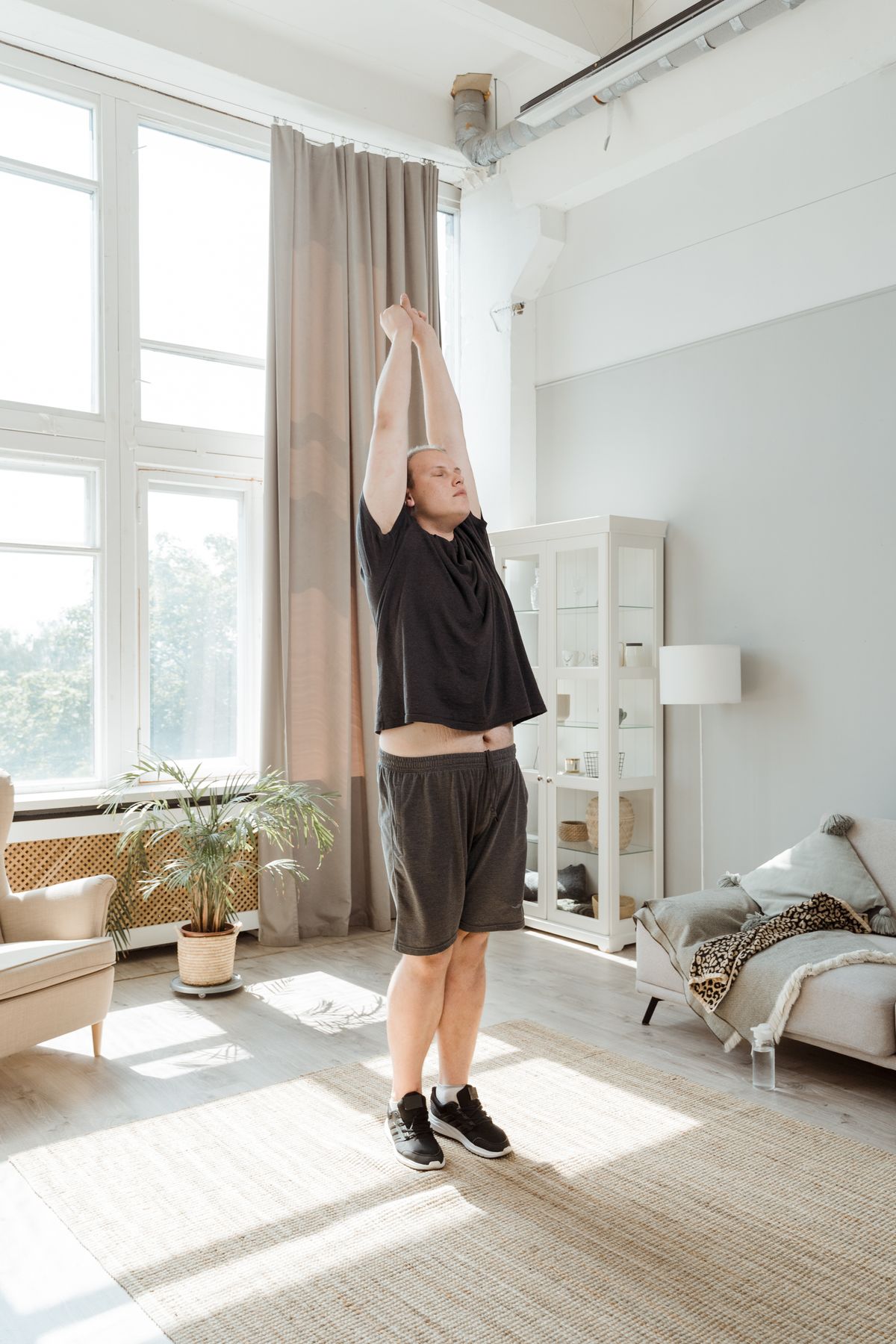
Gentle movement is an ideal bridge between rest and the rest of the day. Slow stretches, a short walk, or a calm mobility routine can ease stiffness from lying still and help circulation and alertness return gradually. The movement does not need to be intense or lengthy. The aim is to wake the body kindly, not to launch straight into a hard workout while still half asleep.
Shared gentle movement can also be enjoyable after a rest. Our guide to partner yoga poses for beginners explores how two people can practise together to improve balance, flexibility and trust, and a calm shared stretch can be a pleasant way to reconnect after a quiet afternoon pause.
On days when you feel like a little more structure, mindful strength and mobility work can complement rest as part of an active lifestyle. Our kettlebell windmill guide explains a controlled, rotating movement that develops coordination, balance and mental focus, and it is a good reminder that steady, focused movement pairs well with good recovery habits.
Naps Versus Poor Night Sleep
This is the most important distinction in the art of napping. A nap is a useful supplement to healthy night sleep, not a substitute for it. If you regularly sleep poorly at night and rely on long daytime sleeps to get through the day, the pattern can become a cycle: daytime sleep reduces night-time sleepiness, night sleep becomes lighter or shorter, and the next day feels even harder, leading to another long nap. Breaking that cycle usually means protecting night sleep first.
Healthy night sleep is supported by regular habits that are worth more than any single nap. Going to bed and waking at broadly similar times, keeping the bedroom dark, quiet and cool, winding down before bed, limiting bright screens late in the evening, and avoiding heavy meals and strong stimulants close to bedtime all help the body fall asleep more easily and stay asleep. A short early-afternoon nap fits comfortably alongside those habits, while a long late nap often works against them.
There are times when a nap is a sensible response to a short night, such as after a journey, a night of broken sleep, or an unusually demanding day. In those cases, a brief rest can help you function safely and kindly, especially if you need to drive, care for others, or concentrate. The key is to treat it as a short-term support, not a permanent replacement, and to return to a regular night routine as soon as you can.
If poor night sleep is frequent, it deserves attention in its own right. Keep a simple note of when you sleep, when you wake, and how you feel during the day for a week or two, and share it with a health professional if the problem persists. Patterns that look obvious on paper, such as late caffeine, irregular bedtimes, or waking through the night, are much easier to address once they are visible.
Who Should Be Cautious About Daytime Napping
For most healthy adults, a short early nap is harmless and often helpful. Some people, however, should be more cautious, and a little awareness can prevent a helpful habit from becoming an unhelpful one. Anyone who already struggles to fall asleep at night, or who wakes frequently and lies awake for long periods, should be especially careful with late or long naps, as these can make night sleep harder still.
People who feel excessively sleepy during the day on a regular basis, even after what seems like enough night sleep, should also pause and consider why. Persistent daytime sleepiness can have many causes, including disrupted night sleep, breathing-related sleep problems, low mood, certain medicines, or other health conditions. A nap may ease the symptom for an afternoon, but it does not address the cause, and professional advice is a wiser step than simply napping longer.
Shift workers, new parents, carers and people with irregular schedules often have more complex sleep patterns, and naps can be an important tool for them. Even here, the same general principles apply: keep naps as short and as well timed as the schedule allows, protect the main sleep period as far as possible, and seek advice if sleepiness begins to affect safety, work or wellbeing. Safety matters most: if you feel dangerously drowsy, do not drive or operate machinery, and rest first.
Children, older adults and people living with long-term health conditions may also have different sleep needs, and what works for one person will not suit another. If you are unsure whether daytime napping is right for you, or if you take medicines that affect alertness or sleep, a conversation with a pharmacist, doctor or other qualified professional can give you personalised guidance that a general article cannot.
Napping at Home, at Work and While Travelling
At home, napping is easiest, because you can control light, noise and comfort. Even so, it helps to treat a home nap as a deliberate pause rather than collapsing on the sofa in front of the television. Choose a proper resting place, dim the room, and set a clear intention to rest for a short while. That small ritual signals to the mind that this is rest time, not just another period of sitting.
At work, a nap may feel less acceptable, but attitudes are slowly changing as employers recognise the value of alert, healthy staff. If you have a break and a quiet space, a short eyes-closed rest can be more restorative than another coffee and a scroll through your phone. If a workplace nap is not possible, a quiet break away from screens, a short walk, and a few minutes of calm breathing can offer some of the same benefits without needing to sleep.
While travelling, naps can help with tiredness after a journey, but they need a little more care. Rest in a safe place, keep belongings secure, and use a gentle alarm so you do not miss a connection or wake feeling disoriented in an unfamiliar place. After long travel, a short rest followed by daylight, gentle movement and a regular meal can help the body adjust more smoothly than a long daytime sleep that pushes bedtime later still.
Common Nap Mistakes to Avoid
- Napping too late: A late rest can steal sleepiness from bedtime and make the night harder.
- Sleeping too long: A long daytime sleep often ends in grogginess and a restless night.
- Napping in a bright, noisy room: Light and noise keep sleep light and less refreshing.
- Scrolling until you drift off: Screens keep the mind alert and delay real rest.
- Using naps to cover poor night sleep: A nap helps for a day, but regular night habits need attention too.
- Jumping straight into demanding work: Give yourself a gentle transition after waking.
- Skipping the wind-down: A few calm minutes before resting makes sleep more likely.
Building a Nap Habit That Works for You
Like any healthy habit, napping works best when it fits your life rather than fighting it. Start by noticing your own pattern for a week. When do you naturally feel drowsy? How do you feel after a short rest compared with pushing through? Does a nap help your evening, or does it make bedtime harder? Those observations are more useful than any rigid rule, because they reflect your body, your schedule and your sleep.
If you decide to nap regularly, keep it consistent. Rest at broadly the same time on days when you nap, keep it short, and pair it with a simple routine: dim the room, settle comfortably, breathe slowly, rest, then wake gently and move a little. Over time, that routine itself becomes a cue, and the body learns to settle more quickly when the familiar steps begin.
Be flexible too. Some days you will not need a nap, and some days a quiet break without sleep will be enough. Other days, especially after a poor night, a short rest will be exactly what helps. Listening to the day, rather than forcing a nap every day or avoiding one out of guilt, is the heart of the art of napping: rest when it helps, keep it brief and early, and protect the night sleep that matters most.
Frequently Asked Questions
Is it normal to want a nap every afternoon?
Yes, an afternoon dip in energy is normal for many people, even with reasonable night sleep. A short early rest can be a healthy response to that dip, provided it does not regularly make night sleep harder.
What if I lie down but cannot fall asleep?
Quiet, eyes-closed rest can still feel restorative, and there is no need to force sleep. Rest calmly for your planned short period, then get up and move gently. Avoid clock-watching, which tends to increase frustration and alertness.
Can a nap replace a poor night of sleep?
Not fully. A short nap can ease tiredness after a difficult night, but it cannot replace the deeper, longer rest of a full night. If poor night sleep is frequent, focus on regular bedtime habits and seek professional advice if it persists.
Should I nap if I struggle to fall asleep at night?
Be cautious. A long or late nap can make night sleep harder. If you choose to nap, keep it short and early, and notice whether bedtime becomes easier or harder. If night sleep does not improve, consider skipping naps for a while and discussing sleep with a health professional.
Is napping a sign of laziness?
No. A brief, deliberate rest is a practical way to manage natural tiredness and return to the day with more focus and patience. The key is keeping it short, well timed, and balanced with healthy night sleep.
Conclusion
The art of napping is simple at its core: rest briefly, rest early, and rest well. Choose a dark, quiet, comfortable place, wind down gently, keep the nap short, wake slowly, and move a little before returning to the day. Used in that way, a nap can refresh the mind, ease the afternoon dip, support recovery, and help you enjoy the evening more fully. It is not a replacement for good night sleep, and it is not something to feel guilty about. It is a small, kind pause in a busy day, and when it is done well, the rest of the day often feels noticeably easier.
